Luxor Travel Guide: The Best Things to Do, Places to Visit & Where to Stay in Luxor, Egypt
Discover the ancient wonders of Luxor, from majestic temples and royal tombs to Nile cruises, local experiences, and unforgettable adventures.
Planning a trip to Luxor, Egypt? This complete Luxor travel guide covers the best things to do, the most important ancient temples and tombs, where to stay, what to eat, how to get around, and how to plan the perfect Luxor itinerary.
Known as one of the world's greatest archaeological destinations, Luxor is often described as an open-air museum. The modern city sits on both sides of the Nile, with the East Bank home to magnificent temples and museums, while the West Bank is dominated by ancient tombs, royal temples, and the famous Valley of the Kings.
Whether you have one day in Luxor or several days to explore, the city offers an extraordinary combination of ancient history, Nile views, traditional Egyptian culture, and unforgettable experiences.
Why Visit Luxor?
Luxor is one of the best places in Egypt for travelers who want to experience ancient Egyptian history up close.
The ancient city of Thebes, which corresponds to modern-day Luxor, was one of ancient Egypt's most important capitals. Today, its archaeological landscape includes the temples of Karnak and Luxor, the royal necropolises on the West Bank, the Valley of the Kings, the Valley of the Queens, Deir el-Medina, and several major mortuary temples.
The city is especially appealing because its attractions are divided naturally between the two banks of the Nile.
East Bank
The East Bank is where you will find:
- Karnak Temple
- Luxor Temple
- Avenue of the Sphinxes
- Luxor Museum
- Mummification Museum
- Traditional markets and shops
- Nile-side restaurants and hotels
West Bank
The West Bank is home to:
- Valley of the Kings
- Valley of the Queens
- Temple of Hatshepsut
- Colossi of Memnon
- Medinet Habu
- Deir el-Medina
- Tombs of the Nobles
- Other archaeological sites and ancient temples
Best Things to Do in Luxor
1. Explore Karnak Temple
Karnak is one of Luxor's most impressive archaeological sites and one of the essential stops on any first visit.
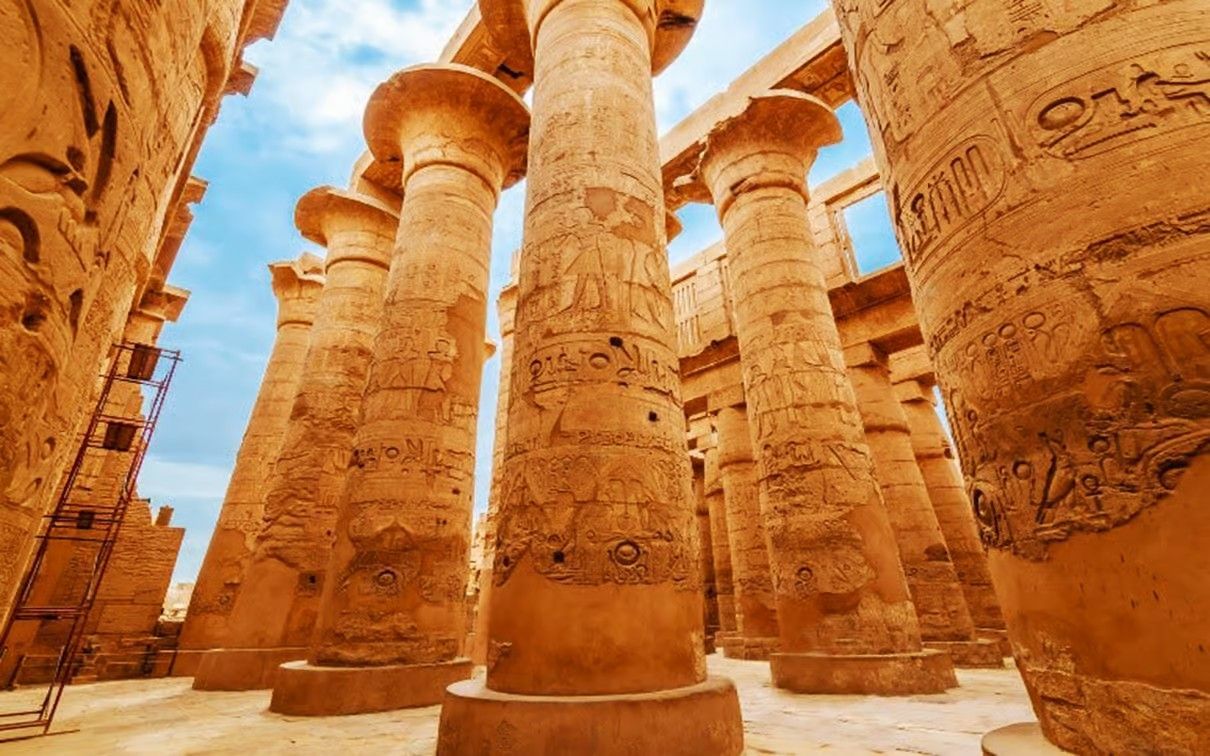
Rather than being a single temple, Karnak is a vast religious complex that was expanded by successive rulers over many centuries. Its enormous pylons, columns, obelisks, courtyards, and sanctuaries give visitors a sense of the scale and power of ancient Thebes.
One of its most spectacular features is the Great Hypostyle Hall, with its huge forest of columns.
Tip: Allow plenty of time for Karnak rather than treating it as a quick photo stop.
2. Visit Luxor Temple
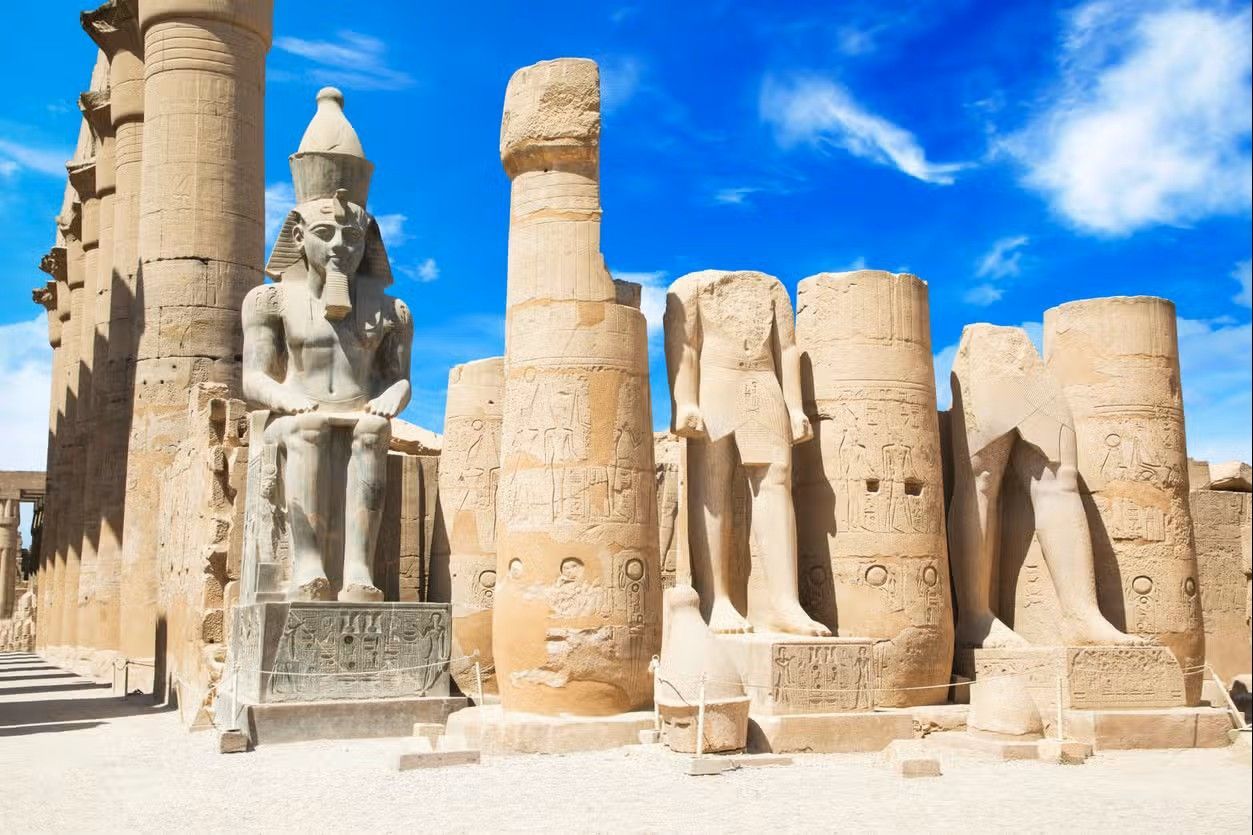
Located in the heart of modern Luxor, Luxor Temple is particularly impressive because of its location and atmosphere.
The temple complex includes monumental gateways, statues, courtyards, and columned halls. Its history also reflects the different periods that shaped Luxor, with ancient Egyptian, Greek, Roman, Coptic, and Islamic elements found within the wider site.
Visiting after sunset can be especially atmospheric, when the illuminated columns and statues create a completely different experience.
3. Walk Along the Avenue of the Sphinxes
The Avenue of the Sphinxes connects Karnak and Luxor Temple and was historically associated with major religious celebrations, including the Opet Festival.
The avenue is one of the most interesting ways to understand how the major temples of ancient Thebes were connected.
4. Discover the Valley of the Kings
No trip to Luxor is complete without visiting the Valley of the Kings.
This ancient necropolis contains royal tombs carved into the desert mountains on Luxor's West Bank. The tombs provide an extraordinary look at ancient Egyptian beliefs about death, the afterlife, and royal power.
The official Egyptian tourism guide highlights the Valley of the Kings, the Tomb of Tutankhamun, and other West Bank archaeological sites among Luxor's major attractions.
Travel tip: Tomb access can vary, so check the current ticket information and which tombs are open before your visit.
5. See the Temple of Hatshepsut
The Temple of Hatshepsut is one of the most recognizable monuments on the West Bank.
Built against a dramatic limestone cliff, the temple combines monumental architecture with a spectacular natural setting. It is dedicated to Hatshepsut, one of ancient Egypt's most famous female rulers.
It is usually combined with a West Bank itinerary that includes the Valley of the Kings and other nearby sites.
6. Stop at the Colossi of Memnon
The enormous Colossi of Memnon are among the easiest West Bank attractions to visit.
The two monumental statues have stood near the ancient royal landscape for thousands of years and make a memorable stop when traveling between the major archaeological sites.
7. Visit the Valley of the Queens
Travelers who have more time should consider adding the Valley of the Queens to their itinerary.
The site contains royal tombs, including the famous Tomb of Nefertari, whose colorful decoration is one of the highlights of Luxor's ancient heritage.
8. Explore Luxor Museum
For a quieter archaeological experience, visit Luxor Museum.
The museum displays selected artifacts connected with Luxor and ancient Egyptian history, including objects associated with discoveries from the Luxor area.
It can be a good complement to visiting the large temple complexes because the museum provides a more intimate environment for viewing artifacts.
9. Visit the Mummification Museum
The Mummification Museum offers a closer look at the ancient Egyptian practice of mummification.
It explores the rituals, tools, materials, and beliefs associated with preparing the dead for the afterlife.
10. Take a Hot-Air Balloon Ride
For one of Luxor's most memorable experiences, consider a sunrise hot-air balloon ride over the West Bank.
From above, you can see the Nile, agricultural fields, desert landscapes, temples, and archaeological sites from a completely different perspective.
The Egyptian tourism authority specifically lists watching sunrise from a hot-air balloon among Luxor's standout experiences.
11. Take a Felucca Ride on the Nile
A traditional felucca ride is a relaxing way to experience the Nile.
Instead of spending the entire day visiting monuments, set aside time to slow down, enjoy the river breeze, and watch the landscape change around Luxor.
Sunset is particularly popular for this type of experience.
12. Explore Luxor's Traditional Markets
Near Luxor Temple, visitors can explore traditional markets selling souvenirs, jewelry, fabrics, spices, and locally made products.
For travelers who enjoy shopping, the souq is a good place to experience a more everyday side of Luxor beyond the archaeological sites.
East Bank vs West Bank: Where Should
You Spend More Time?
If you're visiting Luxor for the first time, try to experience both sides of the Nile.
East Bank is better for temples, museums, restaurants, shopping, and evening activities.
West Bank is better for tombs, mortuary temples, archaeological landscapes, and early-morning sightseeing.
A good first-time plan is to dedicate one day to each bank.
How Many Days Do You Need in Luxor?
1 Day in Luxor
With only one day, focus on the highlights:
- Karnak Temple
- Luxor Temple
- Valley of the Kings
- Temple of Hatshepsut
- Colossi of Memnon
This is a busy schedule, so start early.
2 Days in Luxor
Two days gives you a much better experience.
Day 1: Valley of the Kings, Temple of Hatshepsut, Colossi of Memnon, and other West Bank sites.
Day 2: Karnak Temple, Luxor Temple, Luxor Museum, and an evening walk around the city.
3 Days in Luxor
Three days allows you to slow down and add experiences such as:
- Valley of the Queens
- Deir el-Medina
- Mummification Museum
- Felucca ride
- Hot-air balloon ride
- Traditional markets
- Additional tombs and temples
Where to Stay in Luxor
The best area depends on the type of trip you want.
East Bank
Choose the East Bank if you want easy access to restaurants, shops, Luxor Temple, transportation, and city life.
Hotel options in this area include Winter Palace Luxor and Steigenberger Nile Palace.
West Bank West Bank is a better choice for travelers
looking for a quieter atmosphere-S relaxation is
important, consider a Nile-side resort such Luxor
has plenty serving Egyptian and a local-style dining
experience, options include ers looking for meat and
grilled dishes can also consider koshary, ful,
The West Bank is a better choice for travelers looking for a quieter atmosphere and closer access to the archaeological sites.
Nile-Side Resorts
If relaxation is important, consider a Nile-side resort such as Hilton Luxor Resort & Spa or Steigenberger Resort Achti.
Where to Eat in Luxor
Luxor has plenty of restaurants serving Egyptian and international cuisine.
For a local-style dining experience, options include Sofra Restaurant & Cafè and Al Sahaby Lane Restaurant.
Travelers looking for meat and grilled dishes can also consider Restaurant El-Kababgy Luxor.
Try traditional Egyptian dishes such as koshary, ful, ta'meya, grilled meats, rice dishes, and local desserts duringor where weather should play an important role in archaeological sites are largely outdoors, and many visits involve walking in direct sunlight. For a more comfortable sightseeing experience, cooler months are generally preferable periods, plan major archaeological visits for the early morning and avoid spending long periods outdoors during the strongest midday your stay.
Best Time to Visit Luxor
Luxor is a destination where weather should play an important role in planning your trip.
The archaeological sites are largely outdoors, and many visits involve walking in direct sunlight. For a more comfortable sightseeing experience, cooler months are generally preferable.
During hotter periods, plan major archaeological visits for the early morning and avoid spending long periods outdoors during the strongest midday heat.
How to Get Around Luxor
Luxor's attractions are spread across both sides of the Nile, so transportation is an important part of planning.
Depending on where you stay, you can use:
- Taxis
- Private cars
- Tour vehicles
- Boats and Nile crossings
- Bicycles on the West Bank
- Horse-drawn carriages for short city trips
For a full day on the West Bank, arranging transportation in advance can make the itinerary much easier.
Is Luxor Worth Visiting?
Absolutely.
If ancient Egyptian history is one of your main reasons for visiting Egypt, Luxor should be near the top of your itinerary.
Few destinations offer such a concentration of temples, royal tombs, museums, monuments, and archaeological landscapes in one relatively compact area.
The combination of the Nile, the East Bank temples, the West Bank necropolis, and the surrounding desert creates a travel experience that is difficult to replicate anywhere Luxor safe else.
Frequently Asked Questions About Luxor
Is Luxor safe for tourists?
Luxor is one of Egypt's major tourism destinations and welcomes visitors throughout the year. As with any tourist destination, use normal travel precautions, especially in crowded areas and when dealing with transportation or vendors.
Is Luxor better than Cairo for ancient Egyptian
history?
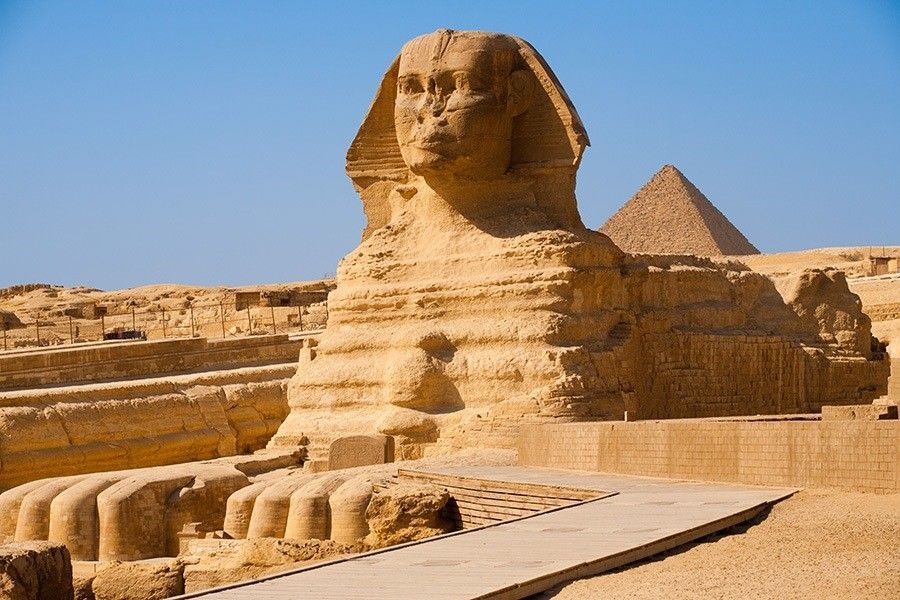
They offer different experiences. Cairo is essential for the Pyramids, the Sphinx, and major museums, while Luxor provides a much deeper concentration of temples, tombs, and archaeological sites from ancient Thebes.
Can I visit Luxor in one day?
Yes, but one day will only allow you to see the main highlights. Two or three days are much better if you want to explore the city without rushing.
What are the most important places to visit in
Luxor?
The essential highlights include Karnak Temple, Luxor Temple, the Valley of the Kings, the Temple of Hatshepsut, and the West Bank archaeological sites.
Should I stay on the East Bank or West Bank?
Stay on the East Bank if you want restaurants, shopping, nightlife, and convenient access to the city. Choose the West Bank if you prefer a quieter atmosphere and want to be close to the archaeological sites.
Final Thoughts
Luxor is much more than a collection of ancient monuments.
It is a place where the Nile, desert, modern Egyptian life, and thousands of years of history come together. From standing beneath the enormous columns of Karnak to exploring the tombs of ancient kings, watching the sunrise from a hot-air balloon, or relaxing beside the Nile at sunset, Luxor offers something unforgettable for almost every type of traveler.
For a first visit, plan at least two full days, explore both banks of the Nile, start your archaeological sightseeing early, and leave some time to experience Luxor beyond the temples.
Ready to explore Luxor? Start planning your trip by comparing hotels, tours, and activities and build your perfect Luxor itinerary.