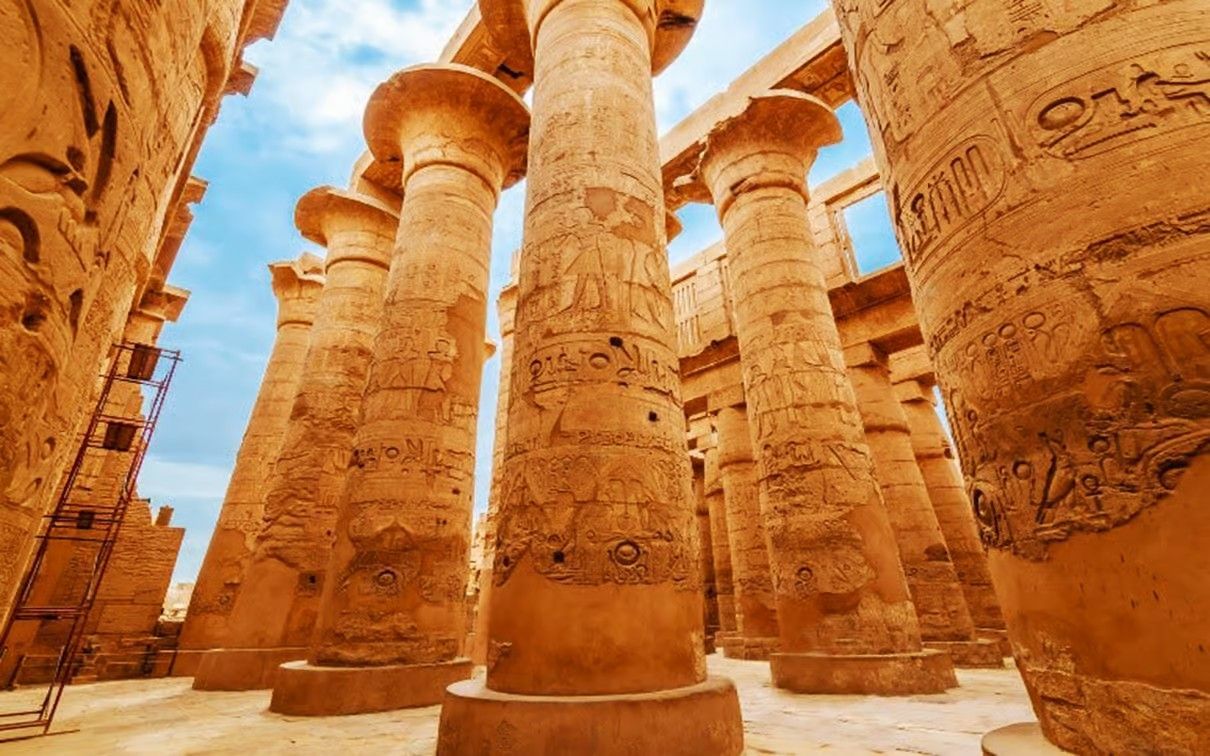
Aswan, Egypt: The Ultimate Travel Guide to the Nile, Nubia & Ancient Temples
Aswan, Egypt: The Ultimate Travel Guide to the Nile, Nubia & Ancient Temples
Aswan, Egypt: Where Ancient History Meets the Nile
Located in southern Egypt, Aswan is one of the country's most fascinating destinations. Set along the Nile near the ancient region of Nubia, the city offers a different atmosphere from the busy streets of Cairo and the monumental archaeological landscape of Luxor.
Aswan is famous for its beautiful Nile scenery, ancient temples, Nubian culture, granite quarries, islands, and its location as the gateway to the extraordinary temples of Abu Simbel. The Egyptian Ministry of Tourism and Antiquities describes Aswan as an important southern gateway that historically connected Egypt with Nubia and Africa.
Whether you are traveling on a Nile cruise, planning a private Egypt tour, or looking for a peaceful destination surrounded by history and nature, Aswan deserves a place on your itinerary.
Why Visit Aswan?
Aswan combines several experiences in one destination.
Here, travelers can explore ancient Egyptian temples, sail along the Nile on a traditional felucca, discover Nubian communities, visit islands, and enjoy spectacular views where the river meets the desert.
The city is also the starting point for one of southern Egypt's most famous excursions: Abu Simbel.
Unlike some destinations where visitors spend most of their time moving between archaeological sites, Aswan also invites travelers to slow down and enjoy the Nile itself.
Top Things to Do in Aswan
1. Visit Philae Temple
Philae Temple is one of the most beautiful ancient monuments in Aswan.
Dedicated primarily to the goddess Isis, the temple complex stands on Agilkia Island and is surrounded by the waters of the Nile. The original Philae Island was threatened by rising water following the construction of the Aswan High Dam, so the monuments were carefully relocated to Agilkia Island as part of the international effort to preserve Nubia's monuments.
Visitors normally reach the temple by boat, making the journey itself part of the experience.
The combination of ancient columns, carved reliefs and the surrounding Nile landscape makes Philae one of the highlights of any Aswan itinerary.
2. Take a Day Trip to Abu Simbel
For many visitors, Abu Simbel is the most impressive excursion from Aswan.
Located approximately 300 kilometers south of Aswan, Abu Simbel contains two magnificent rock-cut temples built during the reign of Pharaoh Ramesses II. The Great Temple is famous for its four colossal seated statues of Ramesses II carved into the mountain façade.
The smaller temple is dedicated to Hathor and Queen Nefertari, the Great Royal Wife of Ramesses II.
The temples are also famous for their remarkable relocation during the 1960s to protect them from the rising waters created by the Aswan High Dam. The preservation project was carried out through an international campaign supported by UNESCO. The Nubian monuments, including Abu Simbel and Philae, were subsequently inscribed on the UNESCO World Heritage List in 1979.
A visit to Abu Simbel is therefore not only an archaeological experience but also a fascinating story of modern engineering and international heritage preservation.
3. Explore Nubian Villages
One of the best ways to experience Aswan beyond its ancient monuments is to visit a Nubian village.
Nubia has a distinct cultural heritage that has shaped southern Egypt for thousands of years. Visitors can experience colorful architecture, traditional hospitality, local crafts and a different side of Egyptian culture.
A Nubian village visit is often combined with a boat ride along the Nile, allowing travelers to enjoy both the scenery and the local atmosphere.
For travelers interested in culture rather than only archaeology, this can be one of the most memorable experiences in Aswan.
4. Sail the Nile on a Felucca
No visit to Aswan feels complete without spending some time on the Nile.
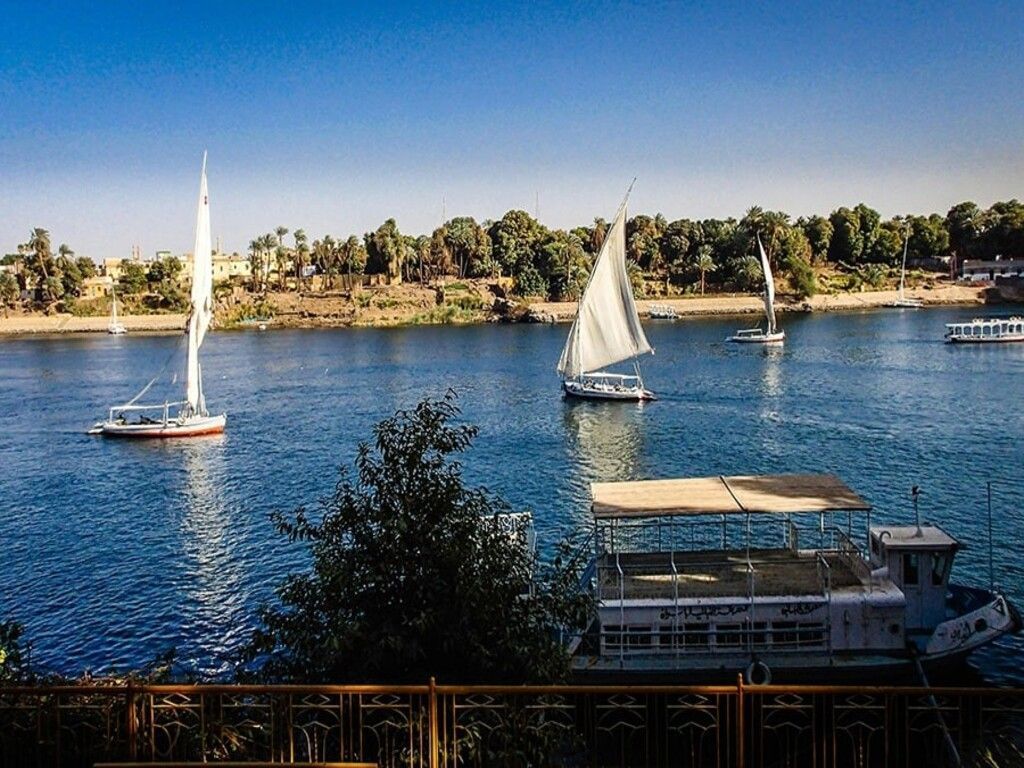
A traditional felucca ride offers a relaxing way to see the city from the water. These traditional sailing boats move quietly between the islands and along the river, offering beautiful views of the desert, palm trees and Nile shoreline.
A sunset felucca ride is particularly popular because the changing colors of the sky create a spectacular backdrop over the river.
5. Discover Elephantine Island
Elephantine Island has played an important role in the history of Aswan.
The island was historically a gateway between Egypt and Nubia and contains archaeological remains associated with ancient settlements and temples. The Egyptian Ministry of Tourism and Antiquities highlights the remains of temples dedicated to Khnum and Satet, as well as an ancient Nilometer.
Today, Elephantine Island provides visitors with an opportunity to experience both archaeological history and everyday island life.
6. See the Unfinished Obelisk
The Unfinished Obelisk provides a fascinating look at how ancient Egyptian monuments were created.
Located within an ancient granite quarry, the enormous monument was carved directly into the bedrock but was abandoned before completion after a crack appeared in the stone.
The site helps visitors understand the extraordinary scale of ancient Egyptian stoneworking and explains why Aswan's granite was so important to monumental construction throughout Egypt.
7. Visit the Nubian Museum
The Nubian Museum is another important stop for travelers interested in the history and culture of southern Egypt.
The museum presents the heritage and history of Nubia and helps visitors understand the region's relationship with ancient Egypt.
It is particularly useful to visit the museum before exploring Nubian villages and monuments because it provides historical context for the culture and archaeological sites found throughout the region.
8. Visit the Aswan High Dam
The Aswan High Dam is one of the most significant modern engineering projects in Egypt.
Completed in the 1960s, the dam created Lake Nasser and dramatically changed the relationship between the Nile and the surrounding region.
Its construction also created an enormous challenge for Nubia's archaeological heritage. Several important monuments were relocated to protect them from the rising waters, including Philae and Abu Simbel.
A visit to the High Dam therefore provides an important connection between modern Egyptian history and the preservation of ancient monuments.
Aswan and the Nile Cruise Experience
Aswan is one of the most important destinations on the classic Nile cruise route.
Many cruises travel between Aswan and Luxor, stopping at important archaeological sites along the way. Travelers can combine their stay in Aswan with visits to places such as Kom Ombo and Edfu before continuing north toward Luxor.
For travelers planning a longer Egypt vacation, combining Cairo, Luxor and Aswan creates an excellent introduction to Egypt's ancient history.
How Many Days Do You Need in Aswan?
For most travelers, 2 to 3 days is a comfortable amount of time to experience the main attractions.
1 Day in Aswan
Focus on:
- Philae Temple
- Unfinished Obelisk
- Aswan High Dam
- Felucca ride
2 Days in Aswan
Add:
- Nubian village
- Elephantine Island
- Nubian Museum
- More time along the Nile
3 Days in Aswan
You can comfortably add:
- Abu Simbel
- Additional Nubian experiences
- More relaxed Nile activities
The ideal length depends on whether you are visiting Aswan independently or as part of a Nile cruise.
Best Time to Visit Aswan
Aswan can be visited throughout the year, but the cooler months are generally more comfortable for sightseeing.
October through April is particularly attractive for travelers who want to explore archaeological sites and spend time outdoors without the intense heat of the Egyptian summer.
Winter is also a popular period for Nile cruises and Upper Egypt tours.
During the hotter months, travelers should plan outdoor sightseeing carefully and stay hydrated, particularly when visiting large archaeological sites.
Where Is Aswan Located?
Aswan is located in southern Egypt on the Nile River, close to the historical region of Nubia.
Its position makes it an important destination for travelers exploring Upper Egypt and an ideal starting point for trips to Abu Simbel.
The city is also well connected to the classic Nile cruise route between Aswan and Luxor.
Why Aswan Should Be on Your Egypt Itinerary
Aswan is more than simply another archaeological destination.
It is a place where ancient Egyptian history, Nubian culture, the Nile and modern Egyptian history come together.
You can begin your morning exploring an ancient temple, spend the afternoon visiting a Nubian community, and finish the day sailing quietly along the Nile as the sun sets over the desert.
From the island temple of Philae to the monumental temples of Abu Simbel, Aswan offers some of the most memorable experiences in southern Egypt.
If you are planning an Egypt vacation, adding Aswan to your itinerary can provide a slower, more scenic and culturally rich experience alongside the major attractions of Cairo and Luxor.
Frequently Asked Questions About Aswan
Is Aswan worth visiting?
Yes. Aswan offers a combination of ancient temples, Nubian culture, Nile scenery, islands and access to Abu Simbel, making it one of the most distinctive destinations in Egypt.
What is Aswan famous for?
Aswan is famous for Philae Temple, Abu Simbel, Nubian villages, the Nile River, Elephantine Island, the Unfinished Obelisk and the Aswan High Dam.
How many days should I spend in Aswan?
Two to three days is a good starting point for exploring Aswan and adding an Abu Simbel excursion.
Can I visit Abu Simbel from Aswan?
Yes. Abu Simbel is a popular excursion from Aswan and can be visited as a day trip.
What is the best time to visit Aswan?
The cooler period from October to April is generally more comfortable for sightseeing and outdoor activities.
Is Aswan good for a Nile cruise?
Absolutely. Aswan is one of the principal starting points for Nile cruises traveling between Aswan and Luxor.