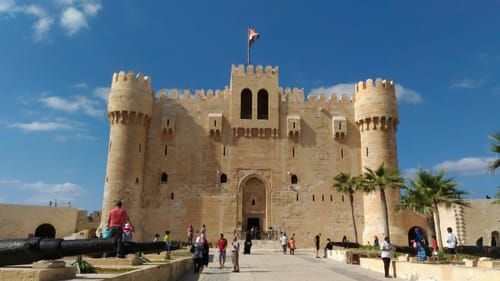
Alexandria Castle
we talk about alexandria
Alexandria is one of Egypt’s most fascinating cities. Sitting along the Mediterranean Sea, it combines ancient history, beautiful coastal views, traditional Egyptian culture, seafood restaurants, lively streets, and a unique atmosphere that feels completely different from Cairo.
Founded by Alexander the Great more than 2,000 years ago, Alexandria has witnessed the rise and fall of civilizations and became one of the most important cultural and intellectual centers of the ancient world.
Today, the city remains one of Egypt’s most popular destinations for both locals and international travelers.
Whether you are visiting Alexandria for the first time, planning a weekend trip, or simply curious about what makes the city special, this guide covers almost everything you need to know.
A Quick Introduction to Alexandria
Alexandria is Egypt’s second-largest city and one of its most important Mediterranean ports.
The city stretches along the northern coast of Egypt, giving it a special character shaped by the sea. The famous Corniche runs along much of the waterfront, offering views of the Mediterranean and making the coastline one of the defining features of the city.
Unlike Cairo, which is known for its busy streets, ancient monuments, and desert surroundings, Alexandria has a more coastal personality. The sound of the sea, the cooler atmosphere, historic buildings, cafés, and seafood restaurants all contribute to its distinctive charm.
Alexandria is sometimes called the Pearl of the Mediterranean, and it is easy to understand why.
The History of Alexandria
Alexandria was founded by Alexander the Great in 331 BC.
Alexander wanted to establish a major city on the Mediterranean that could become an important center for trade, culture, and political power. The location was ideal because of its access to the Mediterranean Sea and its connection to Egypt’s Nile Valley.
After Alexander’s death, Alexandria became the capital of Ptolemaic Egypt.
Under the Ptolemaic dynasty, the city developed into one of the ancient world's greatest centers of knowledge and culture.
The Great Library of Alexandria
One of Alexandria’s most famous historical achievements was the Library of Alexandria.
The ancient library became a symbol of knowledge and scholarship, attracting scholars, scientists, philosophers, and writers from different parts of the ancient world.
Although the exact story of the library's destruction remains debated, its legacy continues to influence the city's identity.
Today, the modern Bibliotheca Alexandrina pays tribute to that intellectual heritage.
The Lighthouse of Alexandria
Another legendary landmark was the Pharos Lighthouse.
Built on the island of Pharos, the lighthouse was one of the Seven Wonders of the Ancient World. It guided ships into Alexandria's harbor and stood as one of the most impressive structures of antiquity.
The lighthouse was eventually destroyed by a series of earthquakes.
Parts of the ancient structure are believed to have been incorporated into the Citadel of Qaitbay, which now stands on the site.
The Best Places to Visit in
Alexandria
Alexandria has attractions for history lovers, families, photographers, food lovers, and anyone who simply wants to enjoy the Mediterranean atmosphere.
1. Bibliotheca Alexandrina
The modern Library of Alexandria is one of the city's most recognizable landmarks.
The building was designed as a modern tribute to the ancient library and includes a huge reading room, museums, galleries, cultural spaces, and exhibition areas.
It is more than just a library—it is a cultural center that reflects Alexandria's long connection with knowledge and education.
2. Citadel of Qaitbay
The Citadel of Qaitbay is one of Alexandria's most famous landmarks.
It was built in the 15th century by Sultan Qaitbay on the eastern harbor, close to the location associated with the ancient Lighthouse of Alexandria.
The citadel is especially beautiful when viewed from the sea.
Inside, visitors can explore the fortress and enjoy panoramic views of Alexandria and the Mediterranean.
It is one of the best places in the city for photography, especially around sunset.
3. Alexandria Corniche
No visit to Alexandria is complete without walking along the Corniche.
The waterfront stretches for a long distance through the city and offers views of the Mediterranean, beaches, cafés, restaurants, and historic neighborhoods.
A simple walk along the Corniche can be one of the most enjoyable experiences in Alexandria.
You can watch fishermen, enjoy the sea breeze, stop for coffee, or simply sit and watch the waves.
4. Catacombs of Kom El Shoqafa
The Catacombs of Kom El Shoqafa are among Alexandria's most important archaeological sites.
Dating back to the Roman period, the underground complex contains tombs and chambers displaying a fascinating mixture of Egyptian, Greek, and Roman artistic influences.
The site offers a glimpse into the multicultural character of ancient Alexandria.
5. Pompey's Pillar
Despite its name, Pompey's Pillar was not actually built for Pompey.
The massive granite column is one of the most recognizable ancient monuments in Alexandria.
It was erected during the Roman period and once formed part of the Serapeum complex.
The surrounding archaeological area makes it an interesting stop for anyone exploring Alexandria's ancient history.
6. Montaza Palace and Gardens
Montaza is one of Alexandria's most beautiful areas.
The palace complex is surrounded by extensive gardens overlooking the Mediterranean.
The gardens are ideal for walking, relaxing, taking photographs, and escaping the noise of the city.
The combination of greenery, architecture, and sea views makes Montaza particularly attractive for families and couples.
7. Royal Jewelry Museum
For visitors interested in art, history, and royal culture, the Royal Jewelry Museum is worth visiting.
The museum is located in a historic palace and contains a collection connected to Egypt's former royal family.
The building itself is also part of the experience, with elegant architectural details and decorative interiors.
Alexandria's Beaches
The Mediterranean is at the heart of Alexandria's identity.
The city has numerous beaches, ranging from busy public beaches to more private and organized options.
During summer, Alexandria becomes particularly lively as Egyptians from Cairo and other cities come to enjoy the coast.
Popular coastal areas include:
- Montaza
- Miami
- Sidi Bishr
- Stanley
- San Stefano
- Mamoura
- Abu Qir
Beach conditions, prices, and access can vary depending on the season and the specific beach.
If swimming is your main goal, it is a good idea to check local conditions before heading out.
Stanley Bridge
Stanley Bridge is one of Alexandria's most recognizable modern landmarks.
The bridge stretches over the Mediterranean and has become a popular meeting point and photography location.
At night, the illuminated bridge creates a particularly beautiful scene.
The surrounding Stanley area is also filled with cafés, restaurants, and places to enjoy the waterfront.
What to Eat in Alexandria
One of the best reasons to visit Alexandria is its food.
Because of its coastal location, Alexandria is particularly famous for seafood.
Seafood
Fresh fish, shrimp, squid, crab, and other seafood are widely available throughout the city.
Many restaurants allow customers to choose their fish before it is cooked.
Common preparations include grilled fish, fried fish, rice dishes, and seafood casseroles.
Alexandrian Liver
Alexandrian liver, or Kebda Eskandarani, is one of the city's most famous street foods.
It is usually prepared with thinly sliced liver, garlic, chili peppers, spices, and other seasonings.
It is commonly served inside bread and is a favorite fast meal among locals.
Hawawshi
Hawawshi is another Egyptian favorite.
It consists of seasoned minced meat stuffed into bread and baked or grilled until crispy.
Alexandrian versions can have their own distinctive flavors and preparation styles.
Foul and Falafel
For a simple and inexpensive Egyptian breakfast, try foul and ta'ameya.
Foul is made from cooked fava beans, while Egyptian falafel—known locally as ta'ameya—is traditionally made primarily from fava beans.
They are often served with bread, vegetables, pickles, and sauces.
Desserts
Alexandria also has plenty of Egyptian sweets and bakeries.
You can find traditional desserts such as basbousa, kunafa, rice pudding, and various pastries.
Alexandria's Café Culture
Cafés are an important part of everyday life in Alexandria.
A typical afternoon can involve sitting at a café, drinking Egyptian tea or coffee, talking with friends, watching the streets, and enjoying the sea.
Waterfront cafés are particularly popular because they combine food and drinks with Mediterranean views.
For many visitors, this relaxed café culture is just as memorable as visiting the archaeological sites.
Shopping in Alexandria
Alexandria offers a mixture of traditional markets, modern shopping centers, local stores, and small independent businesses.
Traditional Markets
Traditional markets are ideal for finding:
- Spices
- Clothes
- Shoes
- Souvenirs
- Household products
- Local snacks
- Handmade items
Modern Shopping
For a more modern shopping experience, visitors can explore large shopping malls and commercial areas such as San Stefano.
Shopping in Alexandria can range from very inexpensive local markets to international brands and upscale stores.
Transportation in Alexandria
Getting around Alexandria is relatively easy, although traffic can become heavy, particularly during busy periods.
Tram
Alexandria is historically famous for its tram network.
The tram has long been an important part of transportation in the city and is also an interesting way to experience Alexandria's urban character.
Taxis and Ride-Hailing Apps
Traditional taxis are widely available.
Ride-hailing applications can also be convenient, particularly for visitors who prefer knowing their destination and estimated fare in advance.
Buses and Microbuses
Public buses and microbuses serve many parts of the city and are commonly used by residents.
They can be inexpensive but may be less convenient for first-time visitors who are unfamiliar with local routes.
Walking
Some areas are excellent for walking, especially along the Corniche and around major attractions.
Walking is also one of the best ways to discover the city's architecture, cafés, street life, and hidden corners.
The Architecture of
Alexandria
Alexandria has a fascinating architectural identity.
Walking through the older parts of the city, you can find buildings influenced by Egyptian, Mediterranean, European, Greek, Italian, Ottoman, and other architectural traditions.
Historic apartment buildings, balconies, old shops, churches, mosques, and coastal streets create a visual identity that is difficult to find anywhere else in Egypt.
For photographers and architecture lovers, simply exploring the streets can become an attraction in itself.
Alexandria's Culture
Alexandria has always been a multicultural city.
Throughout history, Greeks, Romans, Egyptians, Jews, Italians, and people from many other backgrounds have lived and interacted here.
That history helped create a city with a distinctive cultural identity.
Today, Alexandria remains known for its literary scene, universities, theaters, museums, cafés, music, and artistic communities.
The city has also played an important role in modern Egyptian literature and cinema.
The Best Time to Visit
Alexandria
Alexandria can be visited throughout the year, but the experience changes depending on the season.
Spring
Spring is generally pleasant for sightseeing and walking.
The weather is often comfortable, making it a good period for exploring historical sites and the Corniche.
Summer
Summer is the busiest season.
The beaches become crowded, and many Egyptians travel to Alexandria to escape the heat of inland cities.
If you love beach life and don't mind crowds, summer can be exciting.
Autumn
Autumn can be an excellent time to visit.
The weather is often comfortable, and the city may feel less crowded than during the peak summer period.
Winter
Winter brings cooler weather and occasional rain.
The city becomes quieter, and the Mediterranean can look dramatic during stormy weather.
For travelers interested mainly in sightseeing rather than swimming, winter can still be a rewarding time to visit.
How Many Days Do You
Need in Alexandria?
For a first visit, 2–3 days can provide a good introduction to the city.
One Day
If you only have one day, focus on:
- Bibliotheca Alexandrina
- Corniche
- Citadel of Qaitbay
- A seafood lunch
- Stanley or another waterfront area
Two Days
With two days, you can add:
- Catacombs of Kom El Shoqafa
- Pompey's Pillar
- Montaza Gardens
- Royal Jewelry Museum
- More time at the beach or cafés
Three Days
Three days allows you to slow down and experience the city rather than simply checking attractions off a list.
You can spend additional time exploring neighborhoods, trying different restaurants, visiting museums, and enjoying the sea.
A Suggested 3-Day
Alexandria Itinerary
Day 1: The Historic City
Start your morning with a traditional Egyptian breakfast.
Then visit:
- Catacombs of Kom El Shoqafa
- Pompey's Pillar
- Citadel of Qaitbay
- Alexandria Corniche
Finish the day with a seafood dinner overlooking the Mediterranean.
Day 2: Culture and the Sea
Begin with the Bibliotheca Alexandrina.
Spend some time exploring its museums and exhibitions.
Afterward, walk along the Corniche and stop at a café.
In the afternoon, visit Stanley and enjoy the coastal atmosphere.
Day 3: Montaza and Relaxation
Spend the morning exploring Montaza Gardens.
Then enjoy lunch near the coast.
Spend the afternoon at the beach or in a café.
Finish your trip with a sunset walk along the Mediterranean.
Alexandria for Families
Alexandria can be a great destination for families.
Children can enjoy:
- Beaches
- Montaza Gardens
- The aquarium and cultural attractions around the city
- Boat trips
- Ice cream shops
- Waterfront walks
- Open spaces
The city offers a combination of educational experiences and entertainment, making it suitable for different age groups.
Alexandria for Couples
For couples, Alexandria offers a more relaxed atmosphere than many major cities.
Romantic activities include:
- Watching the sunset by the Mediterranean
- Walking along the Corniche
- Having dinner by the sea
- Exploring Montaza Gardens
- Enjoying coffee at a waterfront café
- Taking photographs around Stanley
The combination of sea views, historic architecture, and evening lights gives the city a special atmosphere after sunset.
Alexandria for History
Lovers
If history is your main interest, Alexandria should be high on your Egypt itinerary.
The city allows you to explore several layers of history in one place:
- Ancient Egyptian influences
- Greek and Ptolemaic history
- Roman Alexandria
- Islamic Egypt
- Ottoman influences
- Modern Egyptian history
Few Egyptian cities offer such a concentrated mixture of civilizations.
Alexandria at Night
Alexandria becomes a different city after sunset.
The Corniche lights up, cafés become busier, restaurants fill with families and friends, and the sound of the sea mixes with the movement of the city.
Night walks along the waterfront can be particularly enjoyable.
If you want to experience the local atmosphere, don't spend your entire evening inside your hotel.
Go outside, walk, eat, drink tea or coffee, and watch the city.
Day Trips from Alexandria
Alexandria can also serve as a base for exploring nearby destinations.
Depending on your interests and transportation options, you can explore other archaeological and coastal locations in northern Egypt.
A longer trip can also be combined with destinations elsewhere in Egypt, including Cairo and the Nile Valley.
Is Alexandria Worth
Visiting?
Absolutely.
Alexandria offers something that is difficult to describe until you experience it yourself.
It is not only a collection of archaeological sites.
It is a living city.
You can spend the morning looking at monuments that are thousands of years old, eat fresh seafood for lunch, drink coffee overlooking the Mediterranean in the afternoon, and walk through lively streets at night.
That combination of history and everyday life is what makes Alexandria special.
Tips for First-Time Visitors
Before visiting Alexandria, keep these tips in mind:
- Wear comfortable shoes because you may do a lot of walking.
- Keep some Egyptian pounds with you for smaller shops and local transportation.
- Expect heavier crowds during summer and weekends.
- Check beach conditions before swimming.
- Try local seafood rather than sticking only to familiar international food.
- Leave time to explore without a strict schedule.
- Respect local customs, especially when visiting religious or historical sites.
- Use reliable transportation and agree on taxi fares when appropriate.
- Don't judge Alexandria only by its famous attractions—the neighborhoods and street life are part of the experience.
Alexandria: A City Where
History Meets the Sea
Alexandria is more than an ancient city.
It is a place where the Mediterranean meets Egyptian culture, where ancient ruins stand alongside modern streets, and where thousands of years of history exist alongside ordinary daily life.
Its greatest attraction may not be a single monument.
It may be the feeling of walking beside the Mediterranean while knowing that the same coastline has witnessed empires, scholars, sailors, merchants, kings, and ordinary people for more than two millennia.
From the legendary Library of Alexandria and the ancient Pharos Lighthouse to the Corniche, seafood restaurants, beaches, cafés, and lively neighborhoods, Alexandria offers a travel experience unlike almost anywhere else in Egypt.
If Cairo shows you the heart of Egypt, Alexandria shows you its Mediterranean soul.