Hurghada Port: A Strategic Maritime Gateway on Egypt’s Red Sea Coast
Hurghada Port: A Strategic Maritime
Gateway onEgypt’s Red Sea Coast
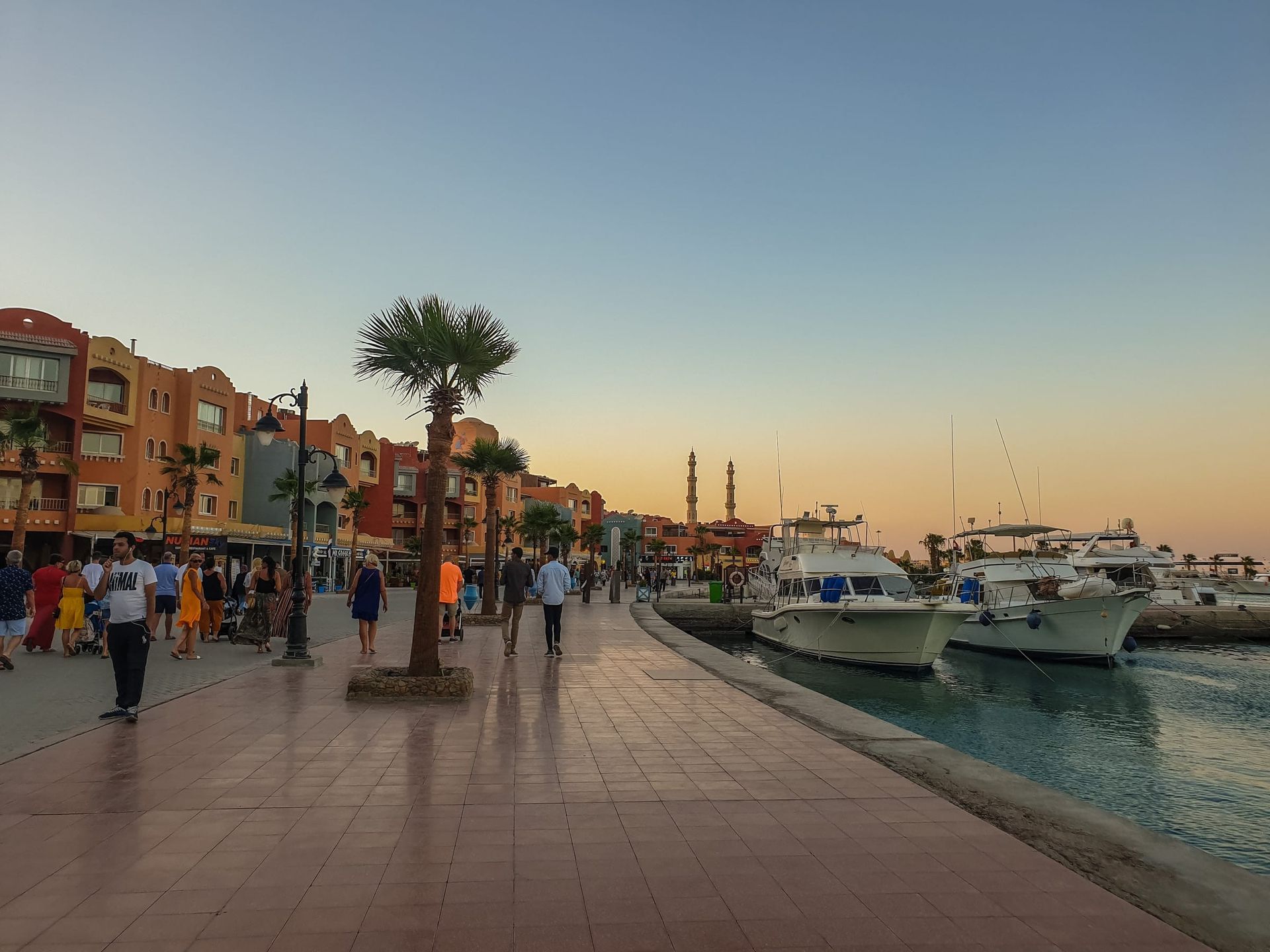
Located on Egypt’s Red Sea coast, Hurghada Port is an important maritime gateway supporting passenger transportation, tourism, cargo operations, and regional connectivity.
Known internationally as one of Egypt’s leading tourism destinations, Hurghada is also home to a strategically located port that contributes to the movement of people and goods across the Red Sea.
For businesses operating in shipping, logistics, tourism, and regional transportation, Hurghada Port represents an important connection between Egypt’s mainland and the Red Sea region.
A Strategic Red Sea Location
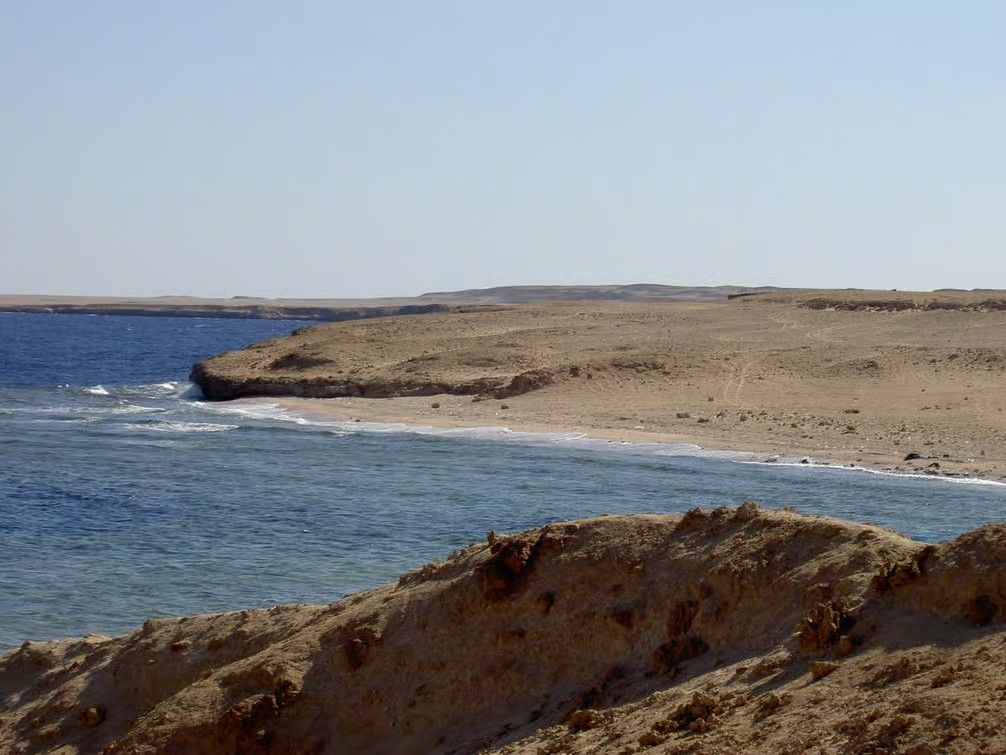
Hurghada is located on the western coast of the Red Sea, making it an important point of connection between Egypt and destinations across the Red Sea.
Its geographical position provides access to major coastal cities and maritime routes, while its proximity to Hurghada International Airport and Egypt’s road network strengthens its role as a multimodal transportation gateway.
This combination of sea, air, and road connectivity makes the Hurghada area particularly valuable for tourism, passenger transportation, and regional logistics.
A Multipurpose Maritime Facility
Hurghada Port supports a variety of maritime activities, including passenger movement, tourism-related operations, and the handling of different types of cargo.
The port plays an important role in connecting Egypt with Red Sea destinations and supporting the movement of passengers, vehicles, and commercial goods.
Its maritime infrastructure also contributes to the wider economic activity of Hurghada and the surrounding Red Sea Governorate.
Supporting Tourism and Passenger
Transportation
One of Hurghada Port’s distinctive characteristics is its strong connection to Egypt’s tourism industry.
Hurghada is one of Egypt’s most popular destinations for international visitors, attracting travelers interested in the Red Sea’s beaches, diving, marine activities, and resort facilities.
The port contributes to this ecosystem by supporting maritime passenger transportation and tourism-related activities.
This makes Hurghada Port different from major container-focused gateways such as Sokhna Port. While containerized cargo and industrial logistics are central to Sokhna’s role, Hurghada has a particularly strong connection to passenger transportation, tourism, and regional maritime connectivity.
Connectivity Across the Red Sea
Maritime transportation provides an important link between Egypt and other destinations around the Red Sea.
Passenger and vehicle services can provide an alternative to air and land transportation, particularly for travelers and businesses moving between coastal destinations.
For regional trade and transportation networks, this connectivity adds another layer to Egypt’s position as a bridge between Africa, the Middle East, and international markets.
The Importance of Hurghada for Regional
Logistics
Although Hurghada is best known for tourism, its location gives the city broader logistical importance.
The combination of port infrastructure, airport connectivity, highways, hotels, tourism facilities, and commercial activity creates an integrated transportation environment.
For logistics companies, freight forwarders, shipping agencies, and businesses serving the Red Sea region, understanding the role of Hurghada Port can be valuable when planning transportation solutions and selecting appropriate routes.
Hurghada Port and Egypt’s Red Sea
Economy
The Red Sea Governorate has developed into an important economic region, with tourism, transportation, energy, and maritime activities contributing to its growth.
Hurghada sits at the center of much of this activity.
As Egypt continues to invest in transportation infrastructure and strengthen its maritime capabilities, ports along the Red Sea are expected to remain important components of the country’s logistics and economic development strategy.
Why Hurghada Port Matters
Hurghada Port offers several important advantages:
- Strategic location on Egypt’s Red Sea coast
- Strong connection to the tourism and hospitality sector
- Passenger and maritime transportation capabilities
- Connectivity with Red Sea destinations
- Access to road and airport infrastructure
- Support for regional commercial and logistics activities
- Important role in Egypt’s Red Sea economy
These characteristics make Hurghada Port an important part of Egypt’s wider maritime transportation network.
The Future of Hurghada Port
As Egypt continues to develop its ports and transportation infrastructure, Hurghada Port can play an increasingly important role in regional passenger transportation, tourism, and maritime connectivity.
Future improvements in port infrastructure, transportation links, digital services, and logistics capabilities can further strengthen the port’s contribution to the Red Sea economy.
For companies operating in shipping and logistics, this evolving infrastructure creates new opportunities to improve connectivity and develop more efficient transportation solutions.
Hurghada Port: Connecting Tourism,
Transportation and Trade
Hurghada Port represents more than a maritime facility. It is part of a broader transportation ecosystem connecting people, tourism, businesses, and regional markets along Egypt’s Red Sea coast.
Its strategic location, combined with Hurghada’s international tourism profile and growing transportation infrastructure, gives the port a distinctive position within Egypt’s maritime network.